PandaWiki
PandaWiki 是一款 AI 大模型驱动的开源知识库搭建系统,帮助你快速构建智能化的 产品文档、技术文档、FAQ、博客系统,借助大模型的力量为你提供 AI 创作、AI 问答、AI 搜索等能力。
⭐ 9,505 stars on GitHub · 🍴 922 forks · 📜 License: agpl-3.0 · 💻 Language: TypeScript
What is PandaWiki?
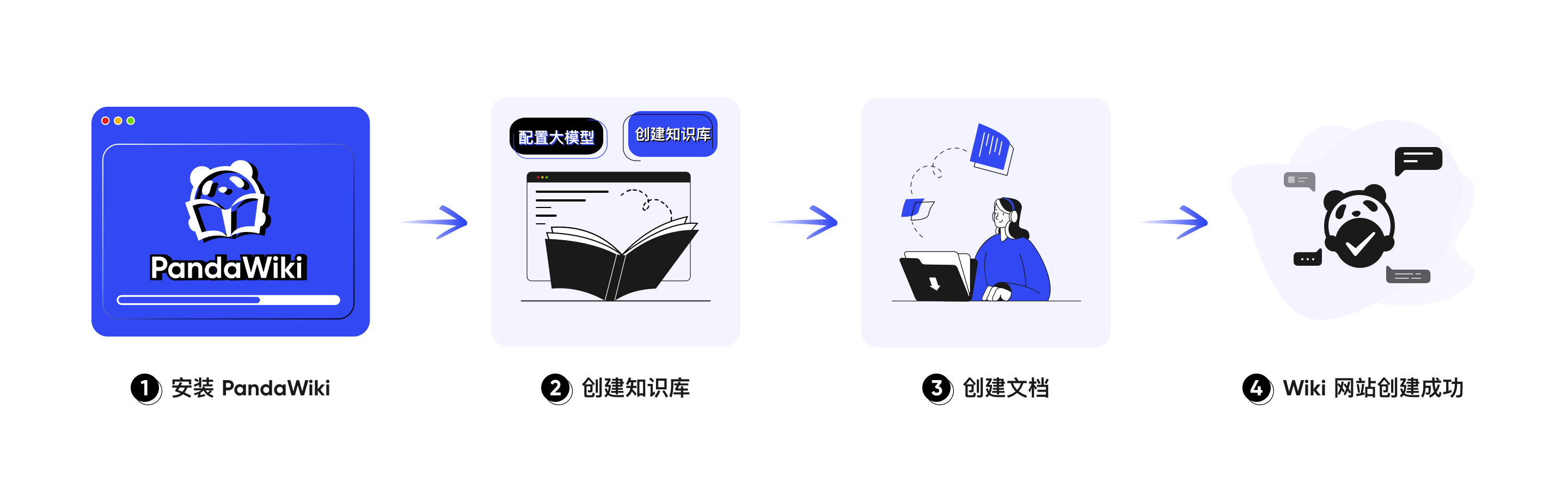
If you want a self-hosted knowledge base where AI is built into the publishing workflow rather than bolted on later, PandaWiki is worth a look. Its differentiator is the combination of wiki hosting, document ingestion, AI writing, semantic search, and chatbot-style Q&A in one open source stack.
Main components
- AI-assisted knowledge base builder for product docs, technical docs, FAQs, blogs, and internal wikis.
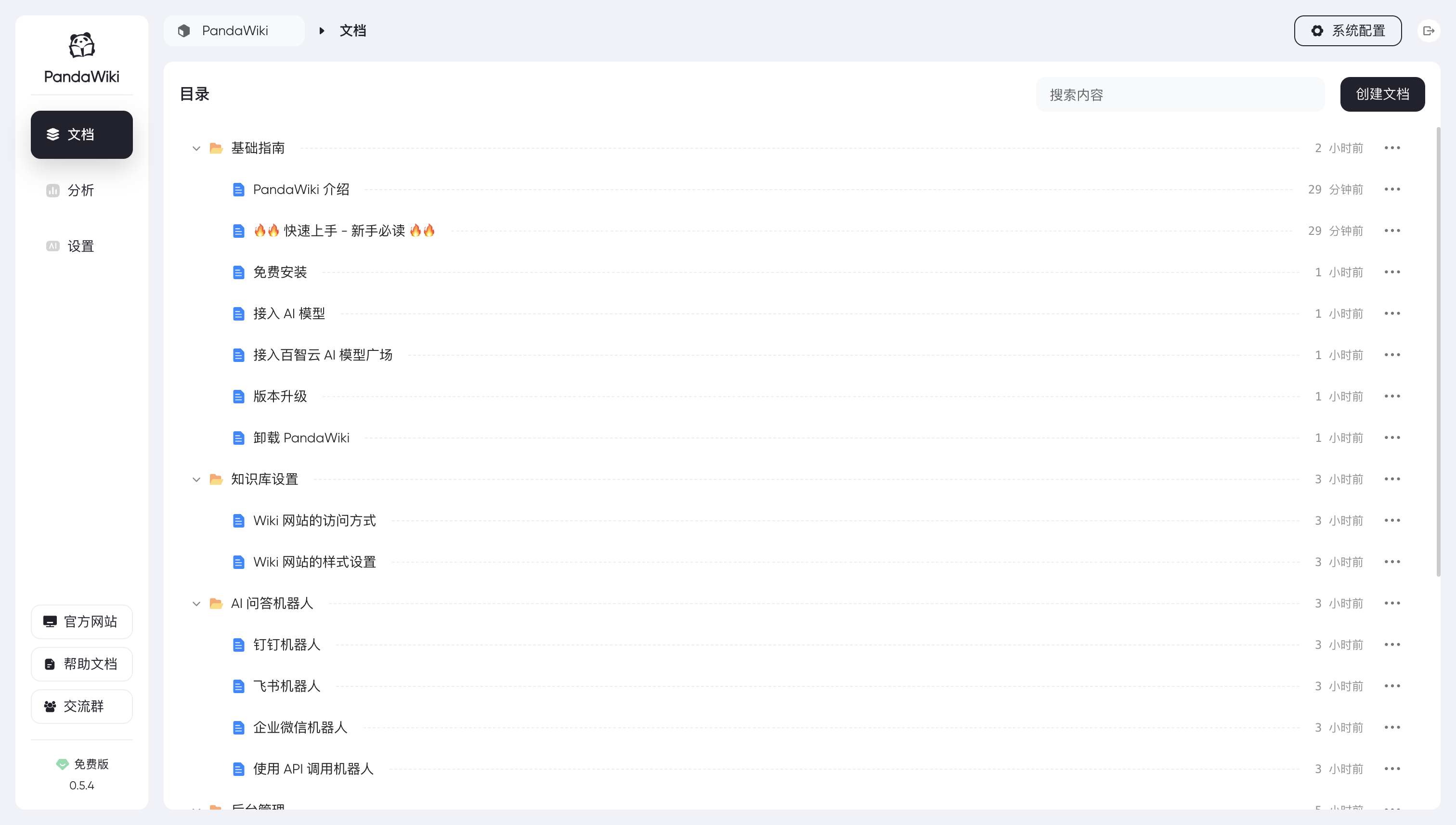
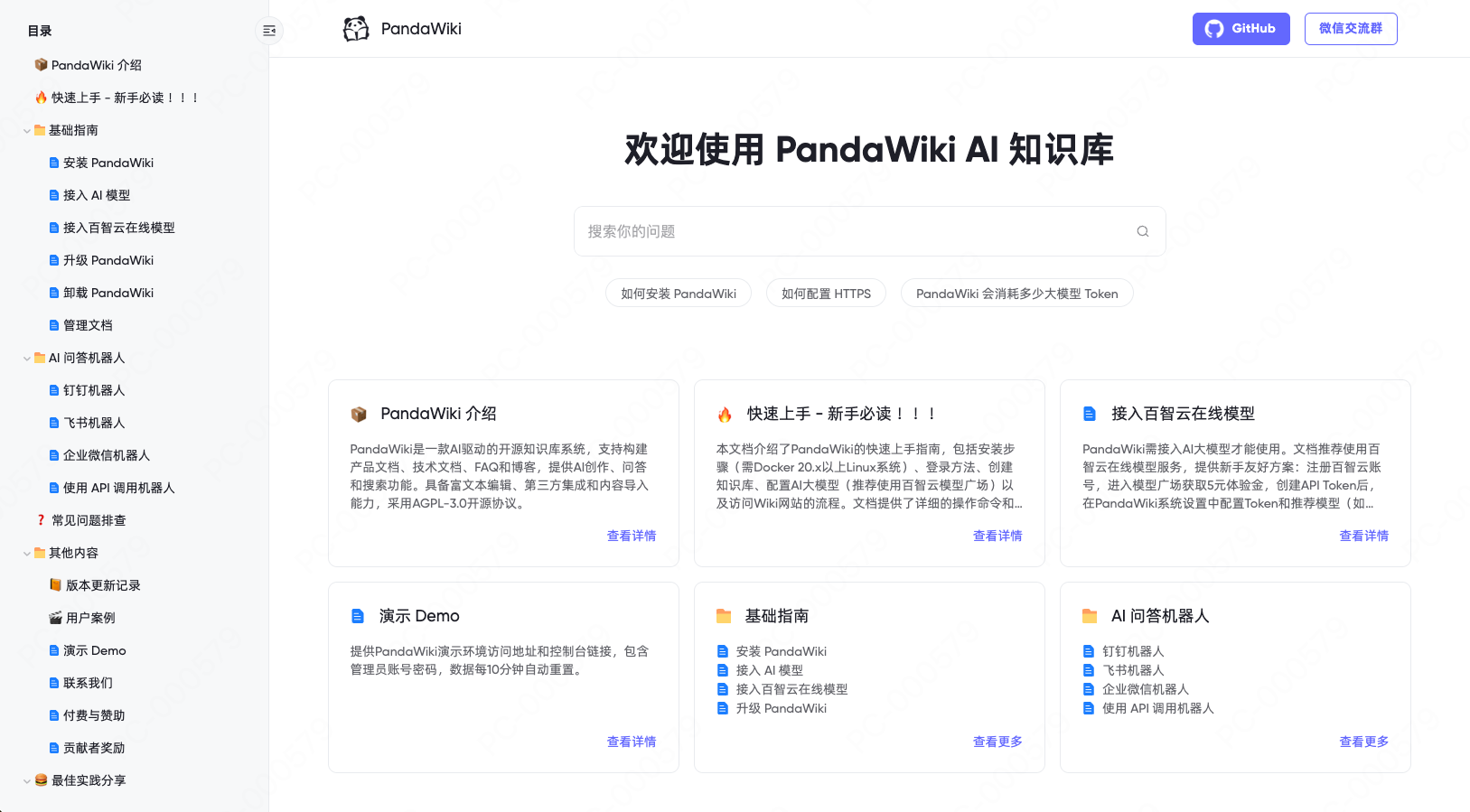
- Web console for creating and managing multiple knowledge bases, each published as its own wiki site.
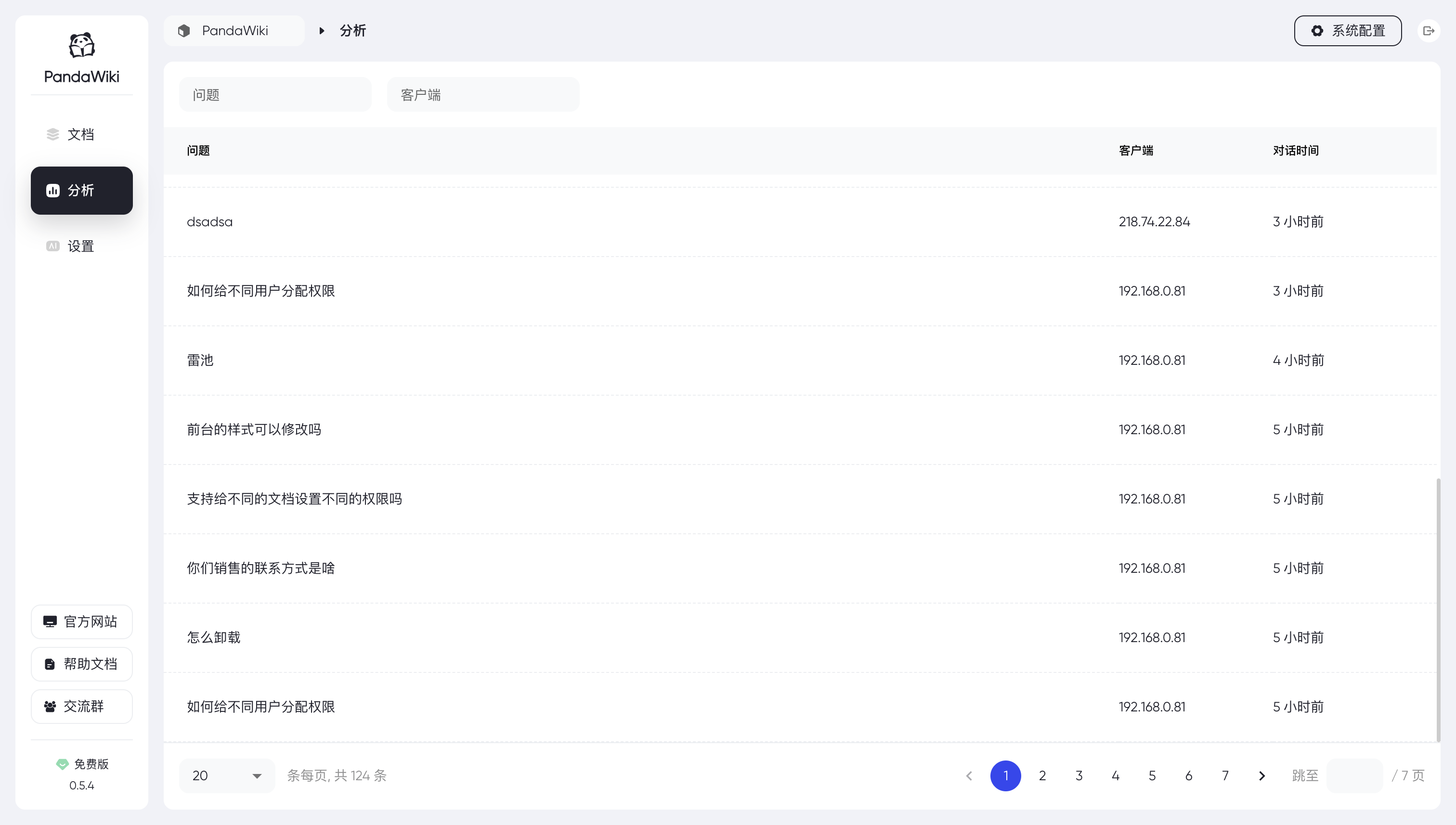
- AI writing, AI Q&A, and AI search once you connect an LLM provider.
- Rich text editor with Markdown and HTML compatibility.
- Export support for Word, PDF, Markdown, and other document formats.
- Content import from URLs, sitemaps, RSS feeds, and offline files.
- Embeddable web widget plus integrations as chatbots for DingTalk, Feishu/Lark, and WeCom.
- Docker-based Linux deployment with a guided install script.
Clear use cases
- Build a public product documentation site with AI search and question answering for users.
- Turn scattered internal SOPs, runbooks, and technical notes into a searchable team knowledge base.
- Create a support FAQ where customers can ask natural-language questions instead of browsing categories.
- Import an existing website or sitemap and use it as the source for a structured AI-powered wiki.
- Publish developer docs while giving support, sales, or operations teams a chatbot interface over the same content.
- Maintain a lightweight company blog or documentation portal without adopting a full enterprise CMS.
The biggest strength is AI-native documentation workflows — PandaWiki does not just store pages and add a search box. It can ingest content from several sources, help create and edit articles, publish them as a wiki, and expose the same knowledge through AI Q&A and chat integrations. Compared with commercial knowledge base platforms, the unique value is control: you can self-host it, connect your own model setup, keep sensitive documentation under your infrastructure, and avoid locking your docs into a SaaS-only system.
There are a few practical caveats. The project is clearly strongest for teams comfortable running Docker on Linux and configuring LLM access; without a model configured, the headline AI features are not useful. The AGPL-3.0 license is also important for companies to review, especially if they plan to modify the software or offer it over a network.
Best for dev teams, support teams, and IT managers who want a self-hosted AI knowledge base for docs, FAQs, and internal knowledge sharing without handing everything to a proprietary SaaS platform.
Topics: the project is tagged with popular topics:
- 🏷️
ai - 🏷️
docs - 🏷️
document - 🏷️
documentation - 🏷️
kb - 🏷️
knownledge - 🏷️
llm - 🏷️
self-hosted - 🏷️
wiki
📸 Screenshots

Quick install
See the README for detailed install instructions. Most projects support Docker — if the repo has a Dockerfile, use:
git clone https://github.com/chaitin/PandaWiki.git
cd PandaWiki
docker build -t PandaWiki .
docker run -d -p 8080:8080 PandaWiki
Minimum system requirements
| Component | Recommended |
|---|---|
| RAM | 4096 MB |
| CPU | 2 vCPU |
| Disk | 50 GB SSD |
| OS | Ubuntu 22.04 LTS / Debian 12 |
| Docker | 24.0+ |
⚡ Deploy fast on VSIS
Use the VSIS VPS Standard 4GB RAM / 2 vCPU / 50GB SSD (~150k/tháng) plan from VSIS.NET — high-speed VN-based VPS, 24/7 support, ideal for running PandaWiki smoothly.
🎯 Benefits:
- One-command
docker compose up -ddeploy in 2 minutes - Dedicated IPv4, root access, unmetered domestic bandwidth
- Daily snapshot backup
- Free install assistance from the VSIS team
👉 See matching VPS plans at vsis.net
Resources
- 🔗 GitHub: chaitin/PandaWiki
- 🌐 Homepage: https://pandawiki.docs.baizhi.cloud/
- 📚 Official docs: see README in the repo
- 💬 Community: GitHub Issues + Discussions
Article compiled from GitHub data on 05/05/2026. Star/fork counts may have changed — see live numbers via the GitHub link.